
If you’re new to the National Disability Insurance Scheme (NDIS), one of the first questions you may ask is, “What does an NDIS provider actually do?” Understanding the role of an NDIS provider is an important step towards making informed decisions about your disability support and choosing a provider that aligns with your goals, lifestyle and individual needs.
An NDIS provider is an individual or organisation that delivers supports and services funded through the National Disability Insurance Scheme. These supports are designed to help NDIS participants build independence, improve their quality of life and achieve the goals outlined in their NDIS plan. Depending on your circumstances, an NDIS provider may assist with personal care, daily living, accommodation, community participation, therapy services or more specialised supports.
If you’re looking for a trusted NDIS Provider Perth, understanding what providers do and how they deliver disability support can help you make a confident and informed decision.
Understanding the Role of an NDIS Provider
An NDIS provider delivers the supports and services that participants have been approved to receive through their NDIS plan. Every participant has different goals and funding, so the supports provided will vary from person to person.
Rather than offering the same services to everyone, quality providers work closely with participants to understand their needs, preferences and long-term aspirations. They develop personalised support plans, regularly review progress and adjust supports as goals change over time.
A good provider focuses on helping participants achieve greater independence while ensuring they remain involved in every decision about their care. This person-centred approach is one of the key principles of the National Disability Insurance Scheme and helps participants maintain choice and control throughout their NDIS journey.
Supporting Everyday Independence
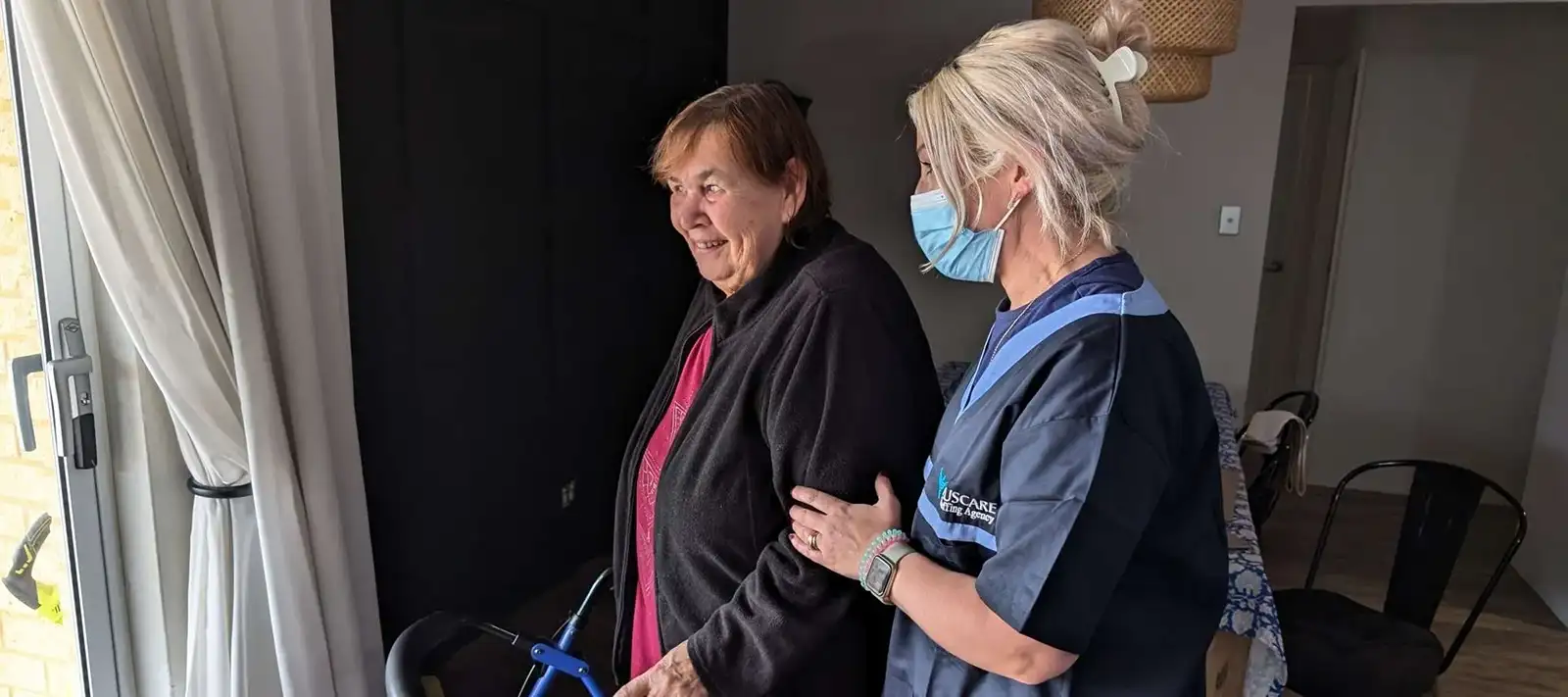
One of the primary roles of an NDIS provider is helping participants live as independently as possible. For some people, this may involve a few hours of support each week, while others may require ongoing assistance with daily living activities.
Supports may include assistance with:
- Personal care and hygiene
- Meal preparation
- Household tasks
- Shopping and errands
- Transport to appointments and activities
- Building daily living skills
Participants who require assistance in their own home may benefit from In-Home Support, where experienced support workers provide personalised assistance while encouraging independence and confidence.
Many participants also receive support through Home & Living services, which help people develop the skills needed to live more independently while remaining safe and comfortable in their chosen home environment.
Helping Participants Access the Right Supports
An experienced NDIS provider doesn’t simply deliver services. They also help participants understand the different supports available under their NDIS plan and how these supports work together to achieve their goals.
For example, someone who wants to become more involved in their local community may benefit from Community Services, while another participant may require Allied Health & Therapy Services to improve communication, mobility or everyday living skills.
Participants with higher support needs may require more specialised services such as Complex Care or Home Modifications, depending on their circumstances and the goals outlined in their NDIS plan.
By understanding the participant’s needs, an experienced provider can recommend the most appropriate supports while ensuring services remain flexible as circumstances change.
Supporting Participants to Achieve Their Goals
The purpose of the NDIS is not simply to provide services but to help participants achieve meaningful outcomes. That’s why a quality NDIS provider will always begin by understanding what matters most to the participant.
For one person, success may mean living more independently. For another, it could involve finding suitable accommodation, developing daily living skills, participating in community activities or building confidence to pursue employment or education.
Every support delivered should contribute towards the participant’s personal goals. Rather than measuring success by the number of hours of support provided, the focus should be on helping participants achieve greater independence, choice and quality of life.
As participants progress, providers should regularly review their supports and make adjustments where necessary. This ensures disability support continues meeting their changing needs while helping them make the most of their NDIS funding.
What Services Does an NDIS Provider Offer?
The services provided by an NDIS provider will depend on the organisation and the supports included in your NDIS plan. While some providers specialise in one area, others deliver a broad range of disability support services to help participants at different stages of their NDIS journey.
Choosing a provider that offers multiple services can make your experience more seamless, particularly if your support needs change over time. Instead of moving between different organisations, you can continue working with a provider that already understands your goals, preferences and support requirements.
Some of the most common NDIS services include:
- Personal care and daily living assistance
- In-home support
- Home & Living supports
- Community participation
- Supported Independent Living (SIL)
- Specialist Disability Accommodation (SDA)
- Independent Living Options (ILO)
- Respite and Short-Term Accommodation
- Complex care
- Allied health and therapy services
- Home modifications
Understanding these services will help you choose an NDIS provider with the experience and expertise to support both your current and future needs.
Accommodation and Independent Living Supports
For many participants, achieving greater independence includes finding the right accommodation and living arrangements. An experienced NDIS provider can help participants explore different housing options based on their goals, support needs and NDIS funding.
Participants who require ongoing daily support may benefit from Supported Independent Living (SIL). SIL provides assistance with everyday tasks while encouraging participants to develop independent living skills within a shared or individual home environment.
For participants with extreme functional impairment or very high support needs, Specialist Disability Accommodation (SDA) may provide purpose-built housing designed to improve accessibility, safety and independence.
Some participants may also explore Independent Living Options (ILO), which provide flexible living arrangements tailored to individual goals and preferences.
If you’re unsure which accommodation option is most suitable, you can also read our guide on SIL vs SDA vs ILO: Which NDIS Accommodation Do You Actually Need? to better understand the differences.
The Importance of Personalised Disability Support
No two NDIS participants have the same goals, abilities or support needs. That’s why personalised disability support is one of the most important qualities to look for when choosing an NDIS provider.
A quality provider won’t simply assign services based on your funding. Instead, they’ll spend time understanding your lifestyle, interests, communication preferences and long-term aspirations before developing a personalised support plan.
This person-centred approach helps ensure every support contributes towards meaningful outcomes. Whether your goal is learning new life skills, increasing independence, participating more actively in your community or accessing specialist accommodation, your supports should be tailored to help you achieve those outcomes.
As your circumstances change, your provider should also review and adjust your supports so they continue meeting your needs throughout your NDIS journey.
How Support Workers Make a Difference
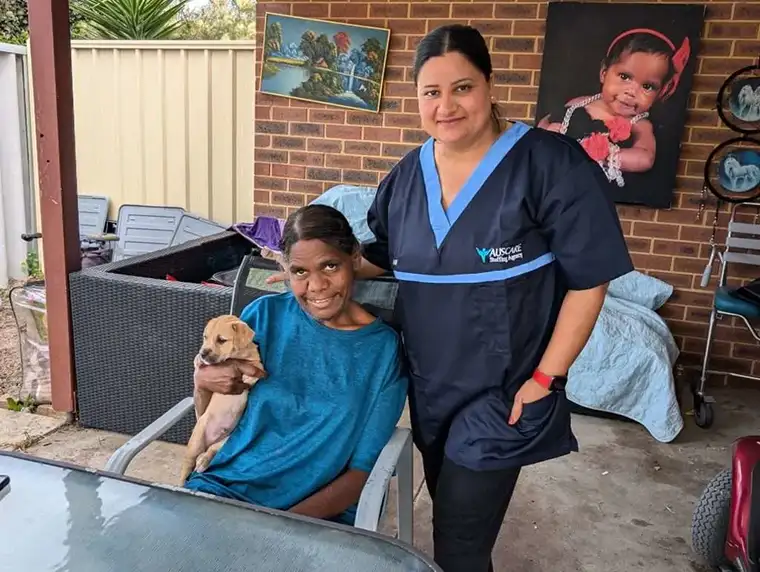
Support workers play a vital role in helping participants live more independently and confidently. They often become trusted members of a participant’s support network by providing practical assistance while encouraging greater choice and independence.
Depending on your NDIS plan, a support worker may assist with:
- Personal care and hygiene
- Preparing meals
- Household tasks
- Attending appointments
- Shopping and errands
- Community participation
- Developing everyday living skills
A good NDIS provider will carefully match participants with support workers based on personality, communication style, interests and support requirements. This creates stronger relationships, improves consistency and helps participants feel comfortable receiving support.
Providers should also ensure support workers receive appropriate training and ongoing professional development so participants continue receiving safe, respectful and high-quality disability support services.
Working Together With Families and Carers
For many participants, family members and carers play an important role in everyday life. A quality NDIS provider recognises the value of these relationships and works collaboratively with everyone involved in the participant’s support network.
Good communication helps ensure everyone understands the participant’s goals, current supports and any changes that may be needed over time. Providers should encourage participants to make their own decisions wherever possible while also keeping families informed when appropriate and with the participant’s consent.
Building strong relationships between participants, families, carers and support workers creates a more coordinated approach to disability support and often leads to better long-term outcomes.
Supporting Participants Throughout Their NDIS Journey
An NDIS provider’s role doesn’t end once services begin. Ongoing support, regular communication and continuous reviews are essential to ensuring participants continue progressing towards their goals.
As participants develop new skills or their circumstances change, their support needs may also change. A quality provider regularly reviews support plans, discusses progress and makes adjustments to ensure supports remain aligned with the participant’s goals and NDIS funding.
Rather than providing the same services year after year, experienced providers continue adapting their approach to help participants achieve greater independence, confidence and quality of life throughout every stage of their NDIS journey.
Registered vs Unregistered NDIS Providers
One of the most common questions participants ask is whether they should choose a registered or unregistered NDIS provider. Understanding the difference can help you make a decision that suits your funding arrangements, support needs and personal preferences.
A registered NDIS provider has completed the NDIS registration process and complies with the standards set by the NDIS Commission. This includes meeting strict requirements relating to participant safety, service quality, worker screening, incident management and continuous improvement.
Depending on how your NDIS plan is managed, you may have the flexibility to choose either registered or unregistered providers. However, many participants choose a registered provider because they value the additional accountability, quality assurance and peace of mind that registration provides.
When comparing providers, don’t focus solely on registration. Consider their experience, communication, personalised approach and commitment to helping participants achieve their goals. Registration is important, but it’s only one part of choosing the right provider.
Choosing a Provider That Grows With You
Your support needs today may not be the same in two or five years’ time. That’s why it’s beneficial to choose an NDIS provider that offers a wide range of disability support services rather than only one or two specialised supports.
For example, you may initially access In-Home Support to assist with everyday activities while living independently. As your goals change, you might decide to participate more actively in the community through Community Services, access Allied Health & Therapy Services or explore accommodation options such as Supported Independent Living (SIL).
Working with a provider that delivers multiple services means your support can evolve without needing to start again with a completely new organisation. The provider already understands your goals, preferences and support history, making transitions much smoother.
How to Tell If an NDIS Provider Is Right for You
Choosing the right provider isn’t simply about comparing services or prices. It’s about finding a team that genuinely listens, communicates openly and supports your long-term goals.
Some signs you’ve found the right provider include:
- They take time to understand your individual goals before recommending services.
- They explain your options clearly and answer your questions honestly.
- They involve you in every decision about your support.
- They regularly review your support plan and adjust services as your needs change.
- They match you with support workers who suit your personality and preferences.
- They encourage independence, choice and community participation.
- They communicate openly with participants, families and carers.
The right provider should make you feel confident, respected and supported throughout your NDIS journey.
Common Mistakes to Avoid
With so many providers available across Perth, it’s easy to make a decision based on convenience alone. However, taking time to compare providers can help you avoid common mistakes that may affect your experience later.
One mistake is choosing a provider simply because they’re the closest to your home. While location is important, it shouldn’t be the only factor. Experience, communication and the quality of disability support services are equally important.
Another mistake is failing to ask enough questions. Before signing a service agreement, ask how supports are delivered, how often support plans are reviewed and whether you can change support workers if needed.
Some participants also overlook future support needs. A provider that offers services such as Home & Living, Home Modifications, Complex Care and accommodation supports can continue assisting you as your goals and circumstances evolve.
Finally, don’t feel obligated to stay with a provider if they’re no longer meeting your expectations. Your disability support should help you achieve your goals, and if it isn’t, exploring other providers may be the right decision.
Why Local Experience Matters
Choosing a local NDIS provider offers more than convenience. Providers with experience supporting participants throughout Perth understand local communities, available services and opportunities for social inclusion.
Whether you live in Fremantle, Stirling, Morley or another Perth suburb, a provider with local knowledge can help connect you with community programs, recreational activities and supports close to home.
Local providers are also often better positioned to respond quickly when your circumstances change, helping ensure your disability support remains flexible and personalised.
Choosing an NDIS Provider Is About Building a Long-Term Partnership
The best NDIS provider isn’t necessarily the largest provider or the one offering the most services. It’s the provider that understands your goals, respects your choices and works alongside you to help you achieve greater independence.
Building a strong relationship with your provider takes time, but it’s one of the most important investments you can make in your NDIS journey. A provider that values communication, flexibility and person-centred care will continue supporting you as your needs evolve, helping you achieve meaningful outcomes while making the most of your NDIS funding.
If you’re looking for a trusted NDIS Provider Perth, choose a provider that places your goals at the centre of every decision. Whether you need support at home, assistance with community participation, accommodation services or more specialised disability support, the right provider will work with you to build a future focused on independence, confidence and quality of life.
How do I choose the right NDIS provider in Perth?
Choosing the right NDIS provider starts with understanding your goals, support needs and the services included in your NDIS plan. Look for a provider that offers the supports you need, communicates openly and takes a personalised approach to your care. It’s also important to ask how they develop support plans, match participants with support workers and review services over time. Reading reviews, asking questions and meeting with the provider before making a decision can help you feel confident that they’re the right fit. If you’re looking for a trusted NDIS Provider Perth, choose a provider that focuses on building long-term relationships and delivering flexible disability support that grows with your needs.
Should I choose a registered NDIS provider?
A registered NDIS provider has been approved by the NDIS Commission and must comply with strict quality and safety standards. These standards cover areas such as participant safety, worker screening, complaints management and continuous improvement. Depending on how your NDIS plan is managed, you may have the option of using either registered or unregistered providers. Many participants prefer registered providers because they offer greater confidence that services are delivered in accordance with national quality standards. Registration is important, but it’s equally valuable to choose a provider that communicates well, listens to your goals and provides personalised disability support throughout your NDIS journey.
What services should an NDIS provider offer?
The services available will vary between providers, so it’s important to choose one that can meet both your current and future support needs. Many providers offer services such as In-Home Support, Home & Living, Community Services, Allied Health & Therapy Services, Complex Care, respite services and accommodation supports. If your circumstances change in the future, choosing a provider with a broad range of disability support services can make it easier to access additional supports without changing organisations.
Can I change my NDIS provider if my needs change?
Yes. Participants can usually change providers if they’re no longer satisfied with the services they’re receiving or if their support needs change. Before changing providers, review your service agreement to understand any notice periods or cancellation requirements. A new provider can often assist with the transition to minimise disruptions to your supports. The most important thing is finding a provider that understands your goals, respects your choices and continues helping you achieve greater independence. If you’re considering changing providers, it’s worth discussing your options before making a final decision.
Why is choosing a local NDIS provider in Perth beneficial?
Choosing a local provider means working with a team that understands the Perth community, local services and opportunities available throughout the metropolitan area. Local providers are often better positioned to connect participants with community activities, accommodation options and support networks close to home. Whether you’re interested in Community Services, Supported Independent Living (SIL) or Specialist Disability Accommodation (SDA), a provider with local experience can offer practical guidance while delivering personalised disability support that reflects your goals and lifestyle.
Ready to Find the Right NDIS Provider?
Choosing the right NDIS provider is about more than comparing services. It’s about finding a team that understands your goals, communicates openly and provides personalised disability support that helps you achieve greater independence and confidence. Taking the time to research providers, ask questions and understand your options will help you make an informed decision that supports your long-term wellbeing.
Whether you’re accessing the National Disability Insurance Scheme for the first time or looking to change providers, Auscare is committed to delivering high-quality, person-centred support across Perth. From In-Home Support and Home & Living to Supported Independent Living (SIL), Specialist Disability Accommodation (SDA) and Community Services, our experienced team is here to help you achieve your goals with flexible, personalised care.
If you’d like to learn more about how we can support you, visit our NDIS Provider Perth page or contact our team today to discuss your support needs.